Free things in the DeYoung Museum: Part 1–The Observation Deck

Most of my guests who venture into Golden Gate Park go to the Japanese Tea Garden. And they should. I’m not a garden guy, but every time I visit I’m moved by the precision and beauty which gives me a sense of tranquility, a state of mind I generally have in short supply but especially these days
Next door is the DeYoung museum, which is not as popular with tourists. I get a fair number of guests who say they are not “museum people,” which is fine, but a quality I don’t share. I love museums, but you do you. Like I said, I’m generally not a garden guy. But even if you’re not a museum person, the DeYoung has three free things that make it worth visiting.
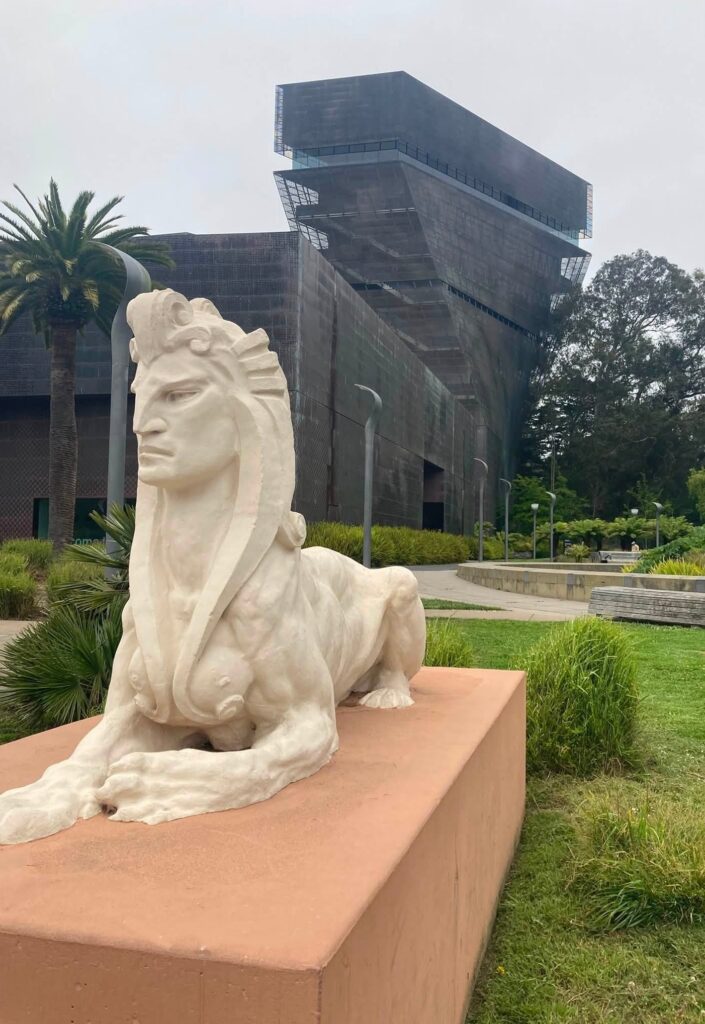
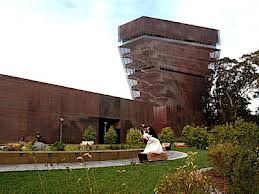
Part 1: The Observation Deck.
The observation deck doesn’t seem like it should be free, which is why most guests, and a lot of locals don’t know about it, even when pay to go into an exhibit.
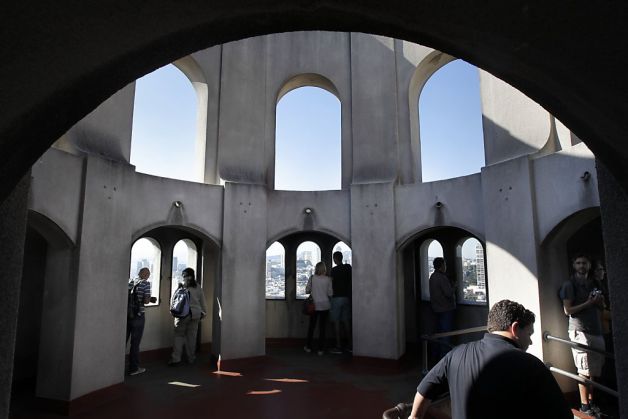
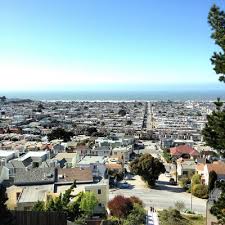
This twisted tower has a 360 degree view 14 stories over the park, with views of the park, downtown, Richmond and Sunset districts and the entrance of the bay in the distance.
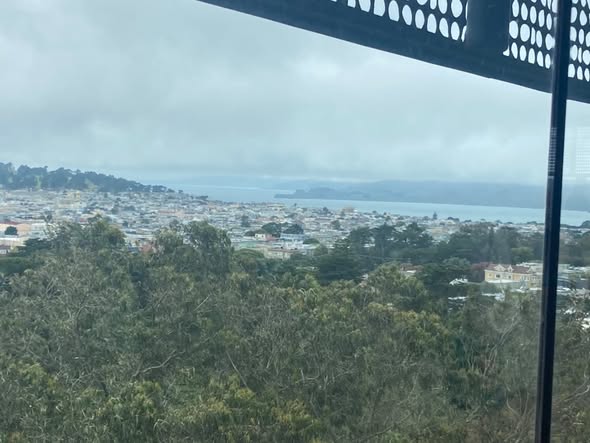
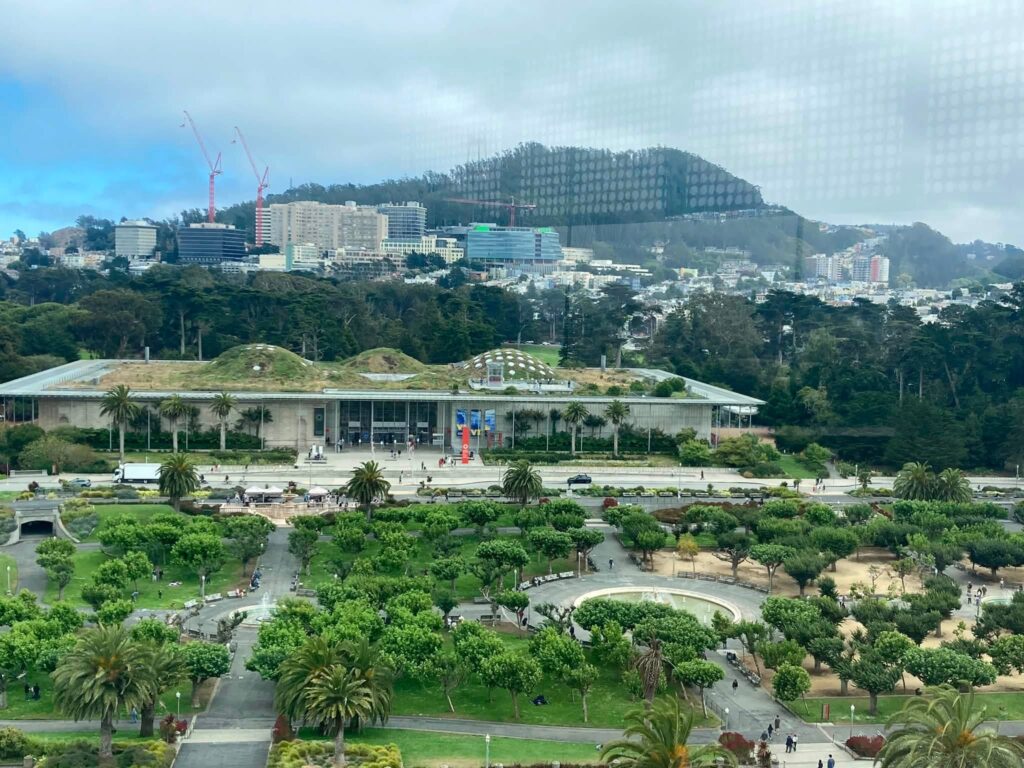
Go into the DeYoung lobby, and near the ticket counter a sign will direct you to the elevator. Take time to enjoy the wire sculptures by San Francisco artist Ruth Azawa in the elevator lobby.
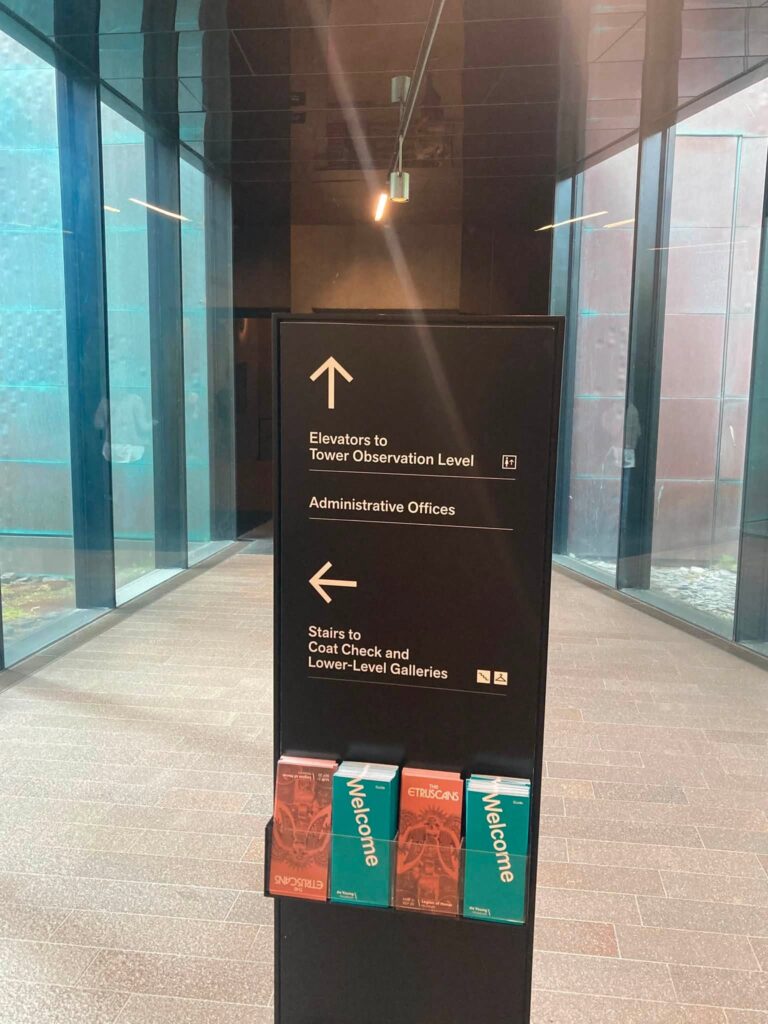
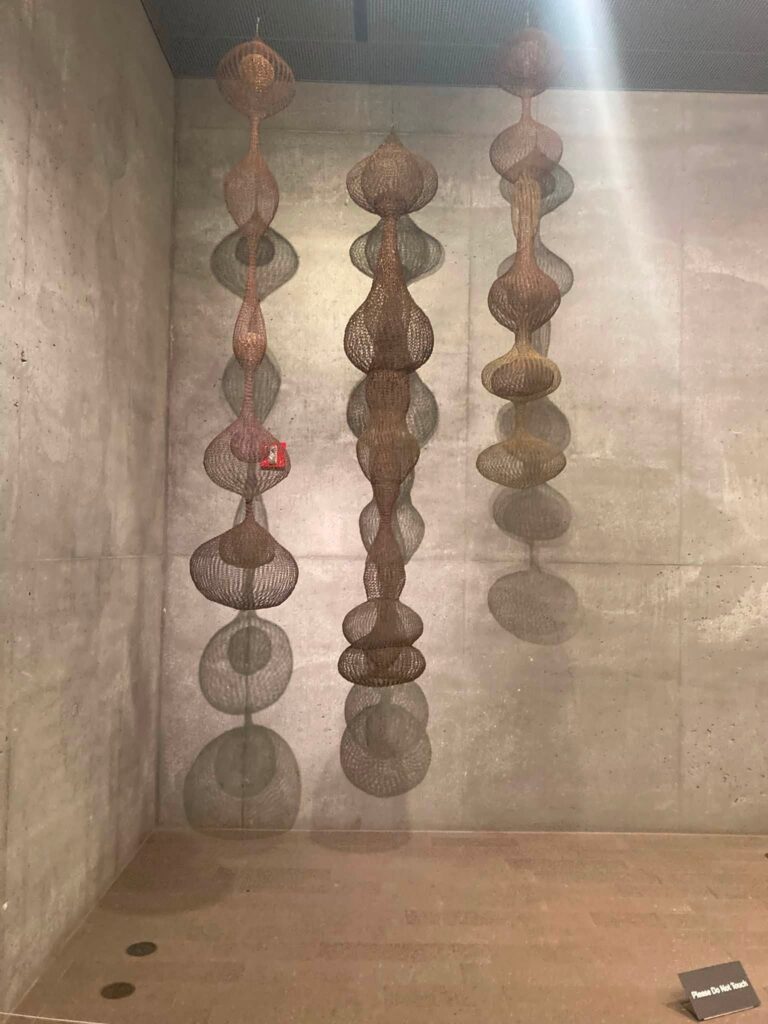
I will grant that this is not the most dramatic view in the city. San Francisco, thanks to the hills, has a staggering abundance of good views. But few are in a tower, enclosed, and don’t require at least somewhat of a climb.
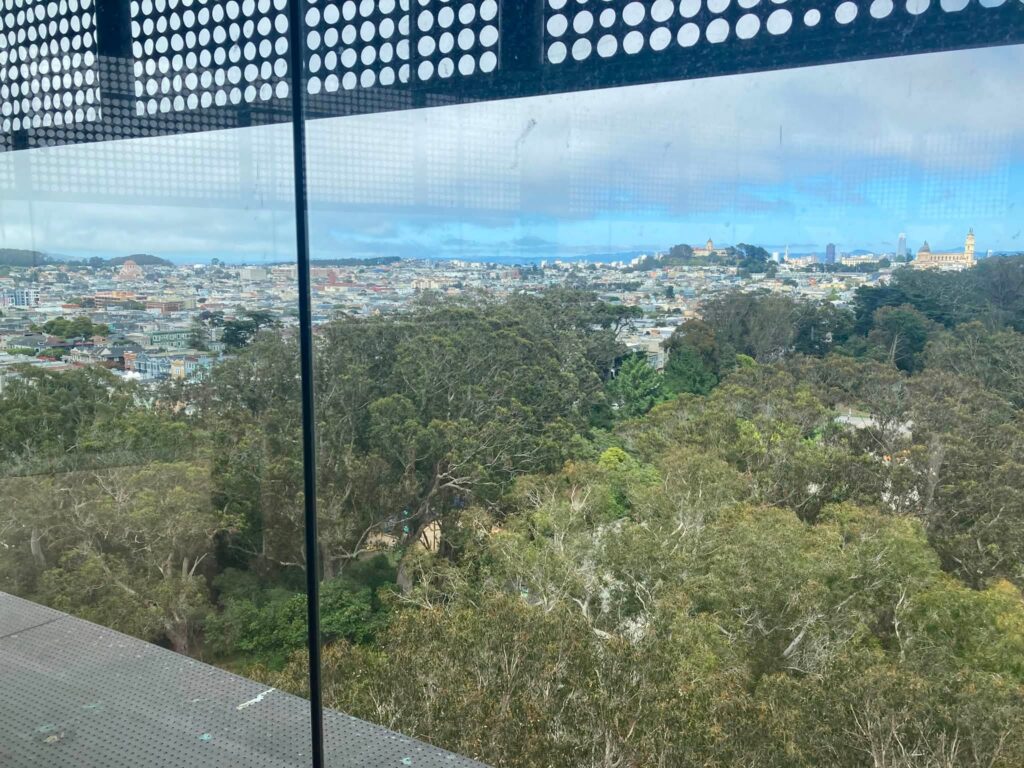
And people who are not museum people or garden guys can agree on one thing: everyone likes a good view.
Free DeYoung thing Parts 2 and 3 arrive soon.
 

How Victorian Homes Tell the Story and History of Neighborhood

My private tour guests always comment on San Francisco’s architecture. There is a wide variety to see, but the Victorians are always a favorite. Built mostly between 1870-1900 (give or take a few years), there was a time they were not popular. When people were being lured to the suburbs in the 1950’s, people who stayed in the city wanted contemporary housing, and Victorians fell out of fashion. They were cheap to rent, cheap to buy, and when bought, many single family homes, or structures of 2-3 flats, were torn down to build apartment buildings.
I’m all for density housing. It is necessary for a city to have an abundance of apartments. But did builders have to make many of them so aggressively and deliberately dull? No, they didn’t. But it’s cheaper, easier, and faster to build a boring box, and the city didn’t have building codes to reign in the lack of imagination and effort, and what affect it would inflict on the neighborhood.
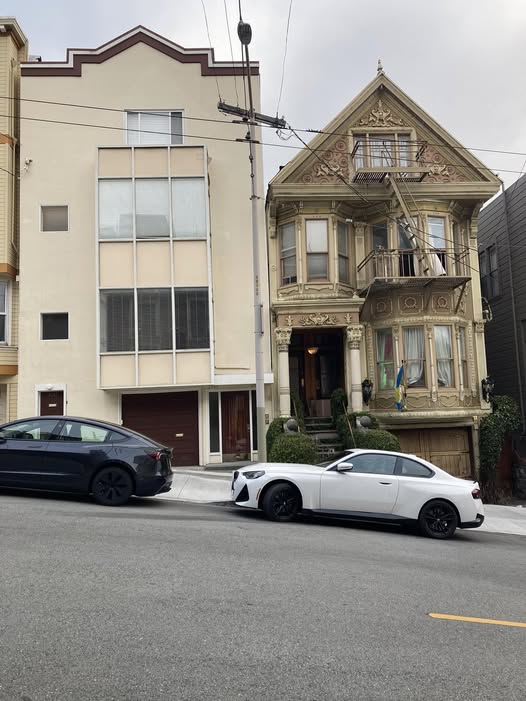
I tell my guests that when they see a Victorian, and something next to it very much Not Victorian, that tells the history of the neighborhood, and how and when it changed. In the image below, on the left, it’s not as if there was vacant lot waiting for decades for someone to install this slap-crap of a building. There was a Victorian there, perhaps much like the one on the right, torn down in the 50’s or 60’s
What also annoys me is knowing the builder of this Monument to Dull doesn’t live in anything remotely close to that bland. I’m sure they took the money from building visual insulting housing, and live in something attractive.  If I were elected King of San Francisco, I would make it a law that a builder would have to live in, or directly across from, any residential property they are going to subject the public to for 2 years.

For more about unique San Francisco homes, I write about some whimsical and lovely non-Victorians here.

Victorians tell the history of the neighborhood, and the story of how it changed.

A Victorian and a very Not Victorian

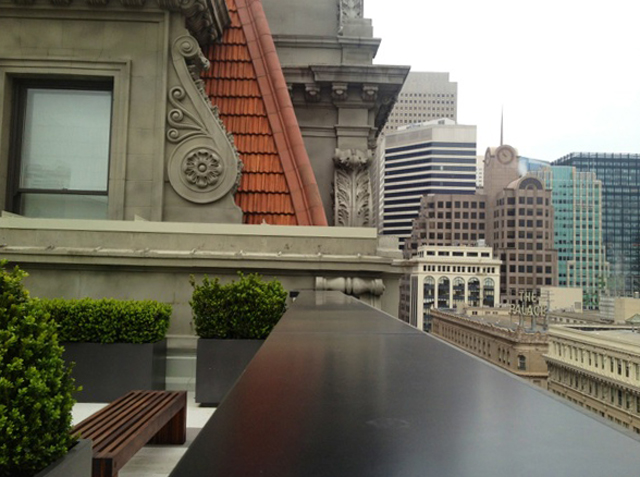
Hidden Gem–Downtown rooftop with comfy furniture, great views, and very few people

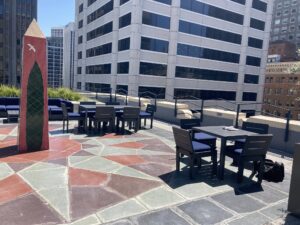
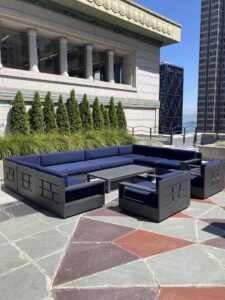
Downtown San Francisco has many public spaces known as POPOS: Privately Owned Public Occupied Space. These are located in office buildings and hotels, and are available for the public to enjoy during operating hours, which vary from location. The the public rooftop of 343 Sansome St. is one of the best hidden gems in the city, but few people know about it.

To get up there, go to the 15th floor. You may have to check in with the bored security guard and tell him where you want to go. The other floors are only available by touching a keycard to a number pad, but the 15th floor is open to everyone.
It is open during business hours, so figure 8-6 weekdays. 9-5 just to be sure.
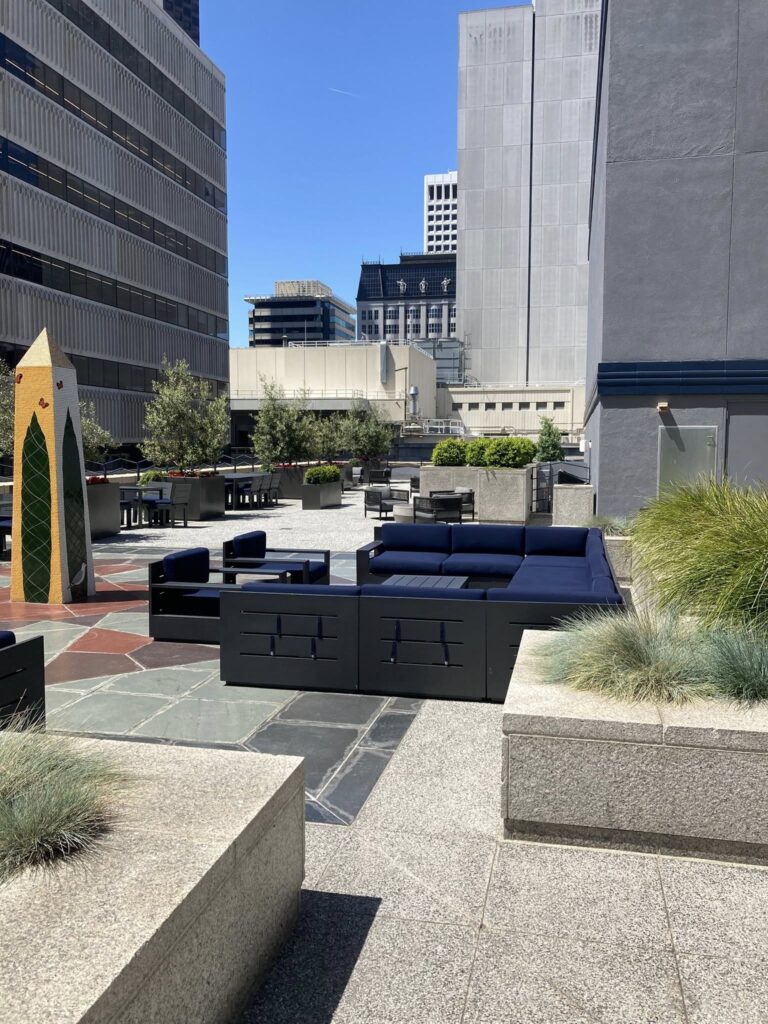
The are nice views of downtown, even if somewhat constrained by the number of taller buildings nearby. The roof itself is nice, with a tiled floor. The furniture is high quality and comfortable, not the usual functional but uninviting metal chairs and table tops.
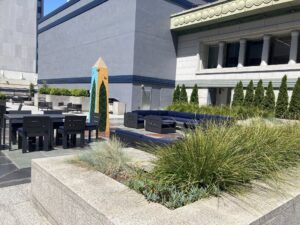
I was downtown the other day and bough a gyro from the outstanding halal cart at the corner of California and Montgomery. Looking for somewhere to eat it, I remembered the 343 Sansome was just a few blocks away. Getting a nod from the sullen security guard, rode the elevator up 15 floors. I had to roof to myself. A perfect lunch setting.
4 seasons obelisk and plants on rooftop of 343 Sansome
This is the sort of place I would love to discover if I was visiting another city–a hidden gem that even few locals know about. It gives you bragging rights for being an active explorer and good traveler.
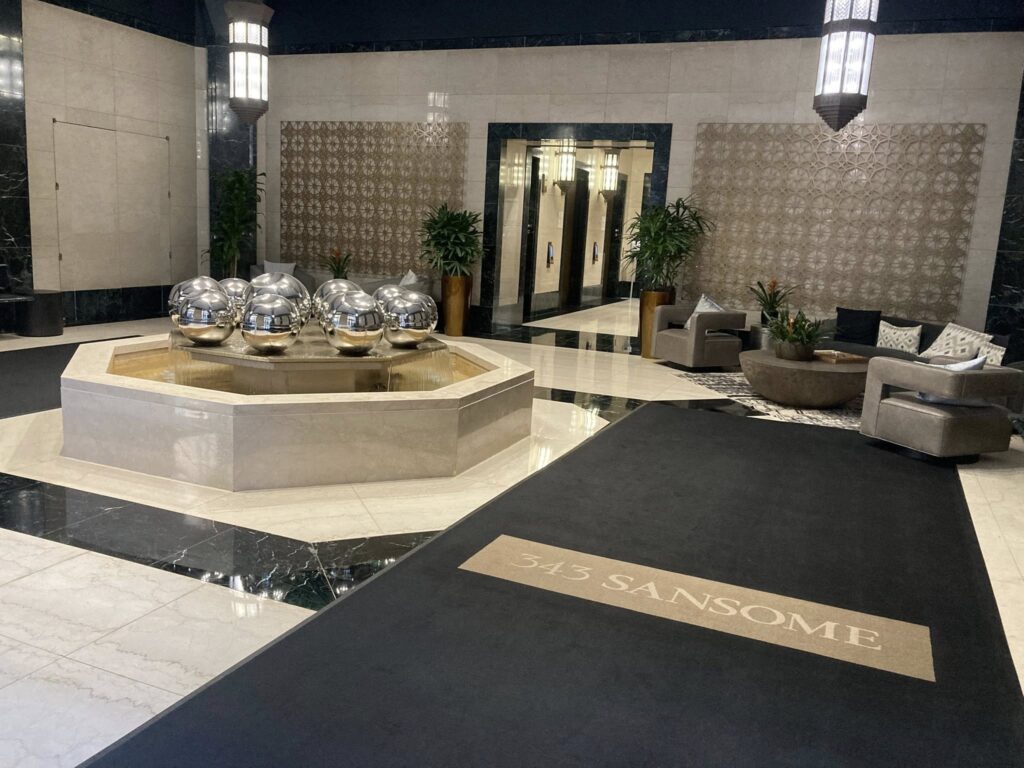
As a bonus, the lobby of the building is also a public space. Again, good, comfortable furniture, and includes a modern water sculpture to settle your nerves should they need settling. Easy access to the lobby right off Sacramento St.
The lobby of 343 Sansome St. Chairs, table, water sculpture
This is another example of free views in San Francisco, such as this panoramic view of Golden Gate Park or the view from the DeYoung museum observation tower.
They are called hidden gems for a reason: you have to know where to find them.

Weirdness and Wine Sculpture in Golden Gate Park

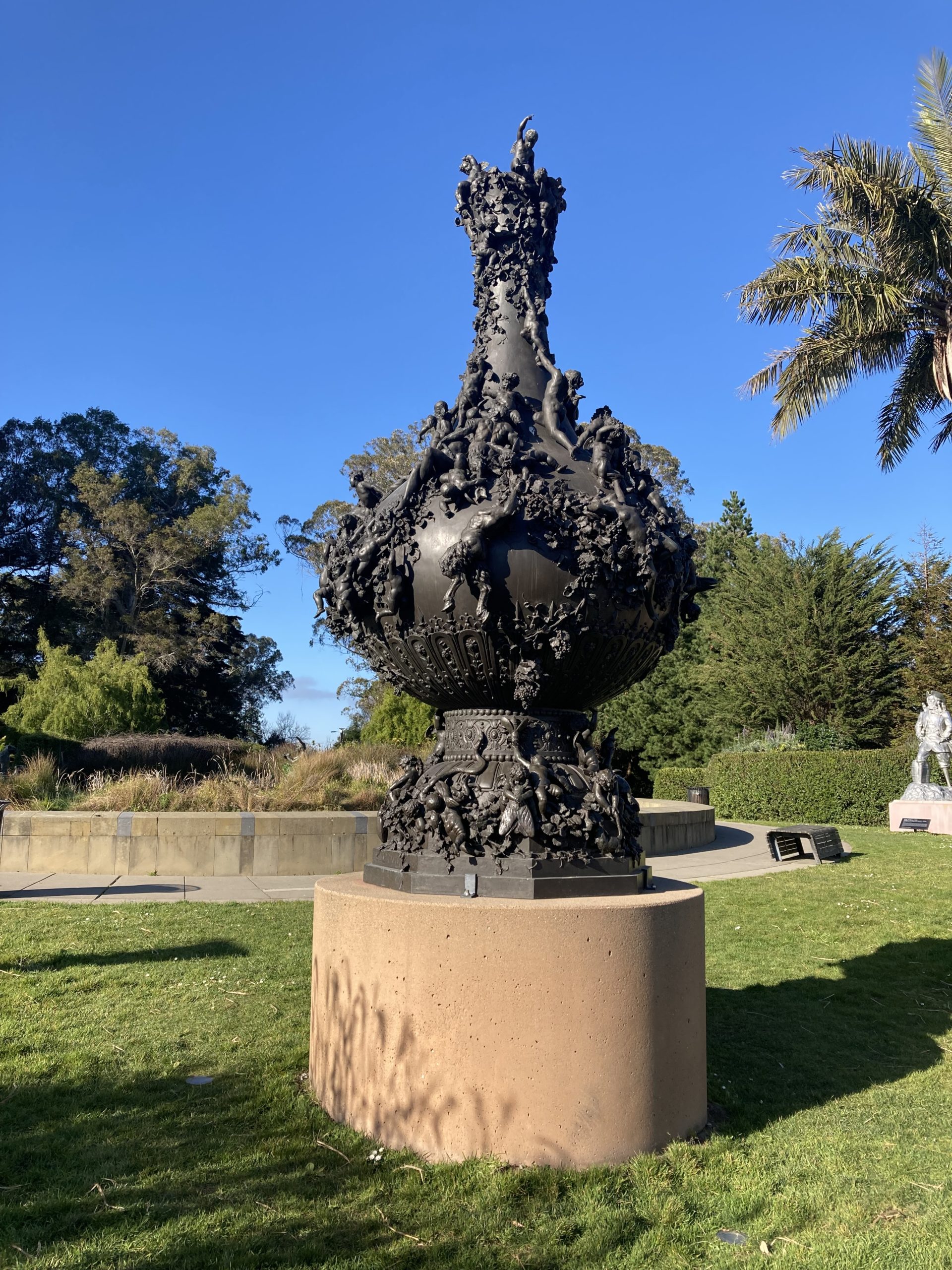
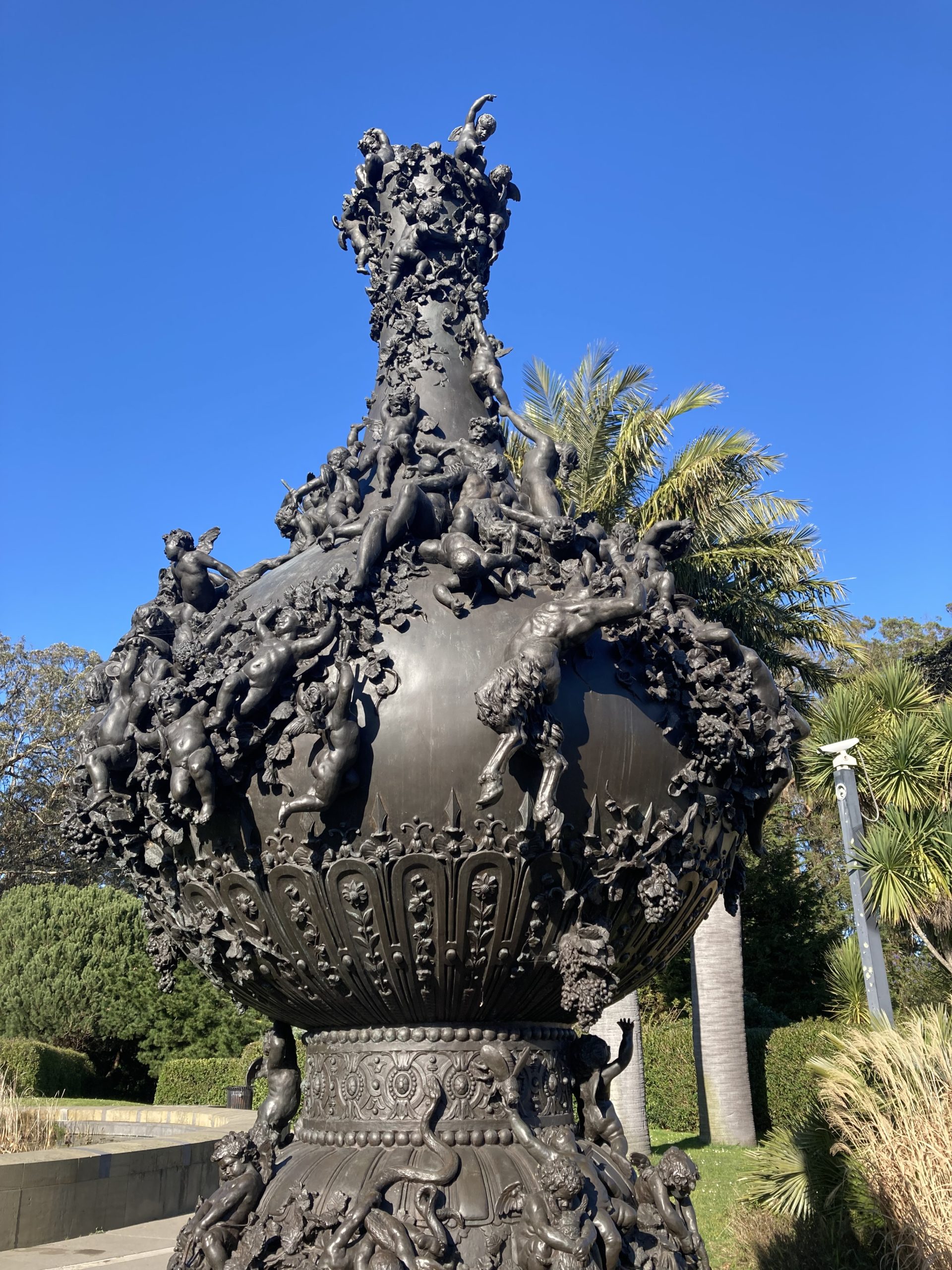
Outside the DeYoung Museum in Golden Gate Park is one of my favorite sculptures, because is about wine. Titled “Le Poeme de la Vigne,” this Poem of Wine is no formal honorific to viticulture. It is a celebration of wine in the form of a mad bacchanalian dreamscape rendered in 3 tons, 11 feet of bronze.

Wine sculpture Golden Gate Park

A little backstory. This piece was created by French illustrator and sculpture Gustove Doré for the 1878 Paris World’s Fair. From there it traveled to the Chicago World’s Fair of 1893, (which was the setting for novel “The Devil in the White City”). San Francisco, feeling a little insecure on the world stage, was anxious to prove that it could also host a fair. A lot of stuff from Chicago’s Fair was purchased and used for San Francisco’s 1894 Midwinter Fair, including Le Poeme de la Vigne.” Several years after the fair Michael DeYoung bought it.

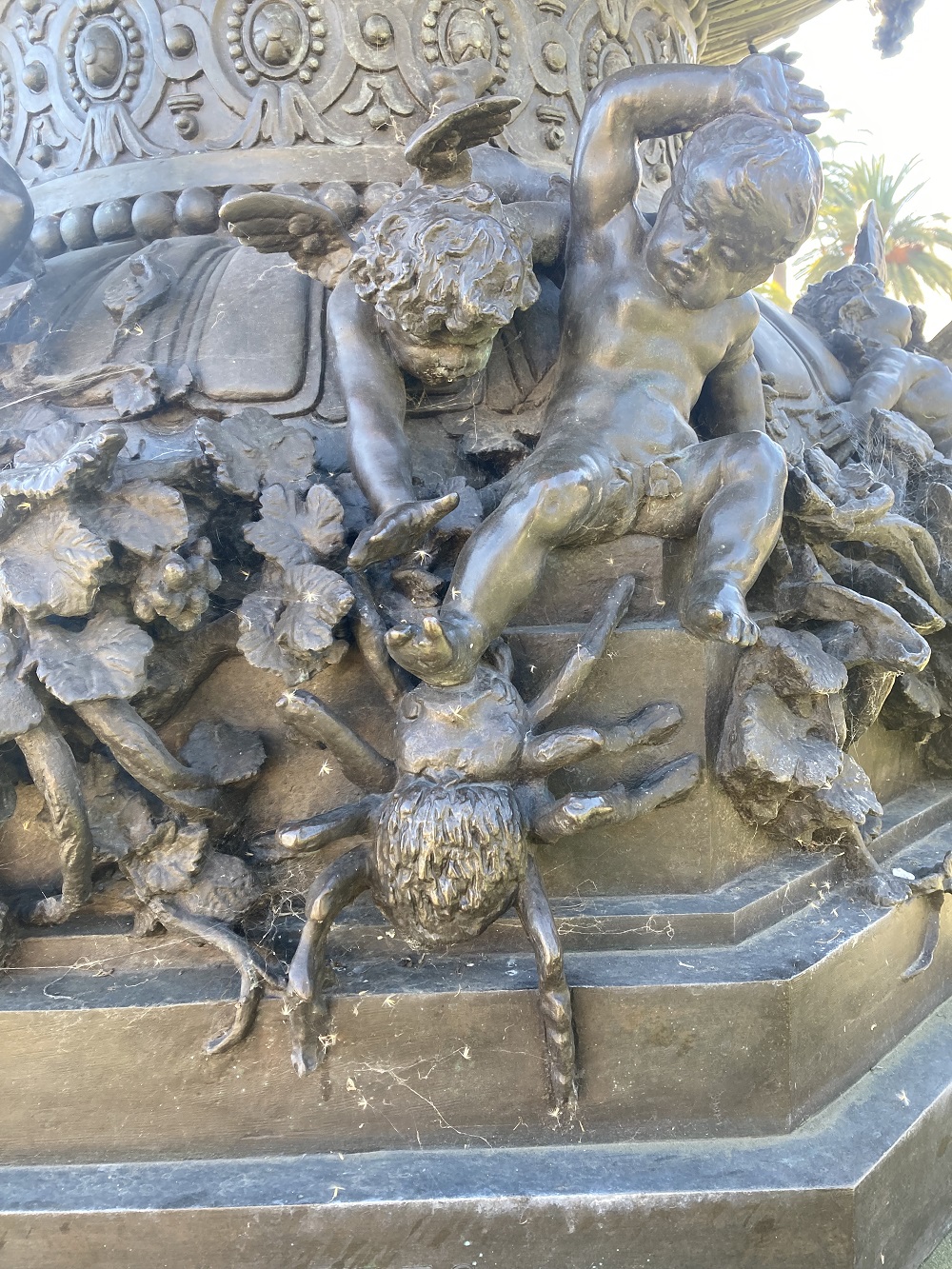
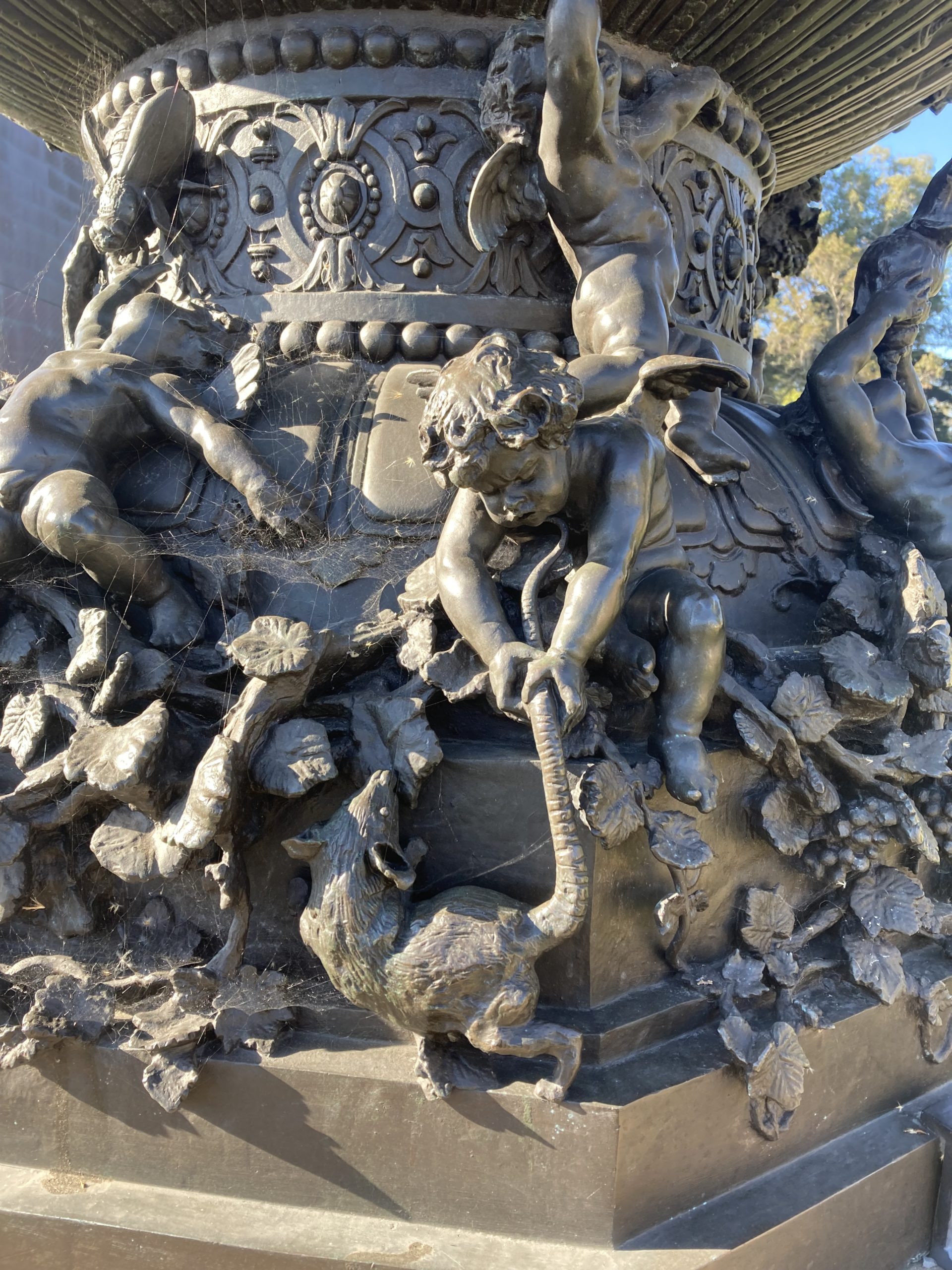
Cherub fighting spider

Starting from the base and going to the top, the sculpture is the story of wine. The best strangeness is at eye level. Here a small army of cherubs fight off a stunning variety of vermin and pests ready to attack the grapes and vines.

Cherub fighting rat

Armed only with chubby hands and fists, examples include one pulling the tail of a rat, another fending off a beetle, and another wrestles what may be a tarantula but is certainly a big spider, a spider as big as the cherub itself.

Just above the heroic putti is the harvesting of the grapes. Then fermentation, and at the top, indulgence of the efforts. If I had to battle a spider as big as myself, I’d need a drink too.

Poem de la Vigne in Golden
 Gate Park

By the way, the sculpture across the road does not show a muscled man work a wine press. He’s crushing apples. Not nearly as much fun as wine.

Castro Theatre–A Grand Movie Palace

One of the questions I often get from my private tour guests is “What to do at night?” After a day of seeing the sites and having dinner, people often just go back to the hotel to crash and watch TV.

Instead of watching TV, why not go to the movies? And go to the movies in style.

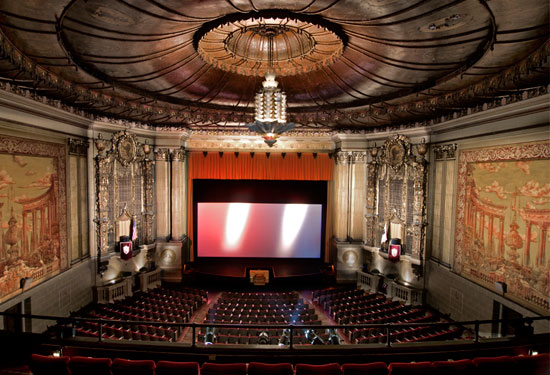
Castro theater--private tour San Francisco

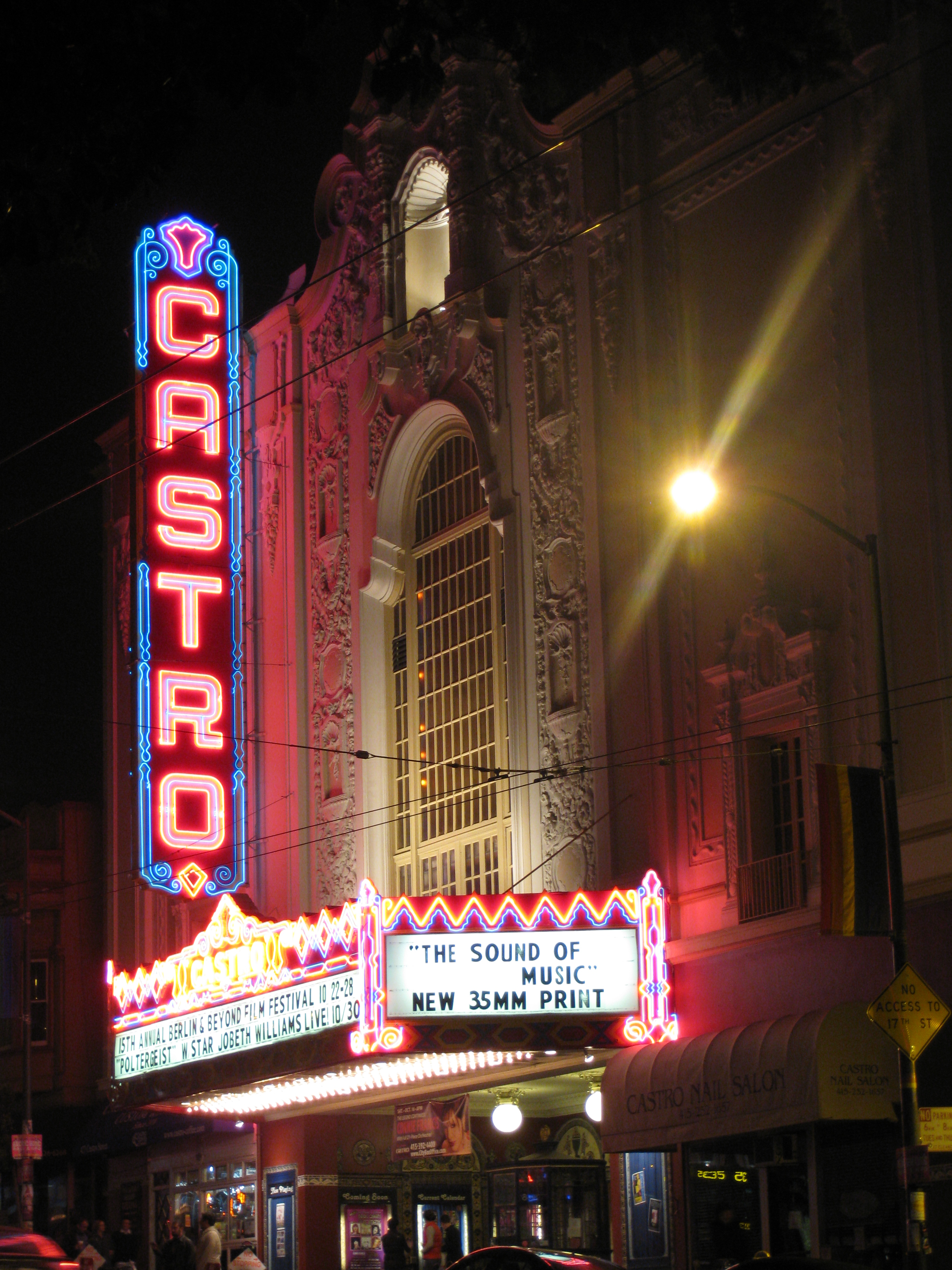
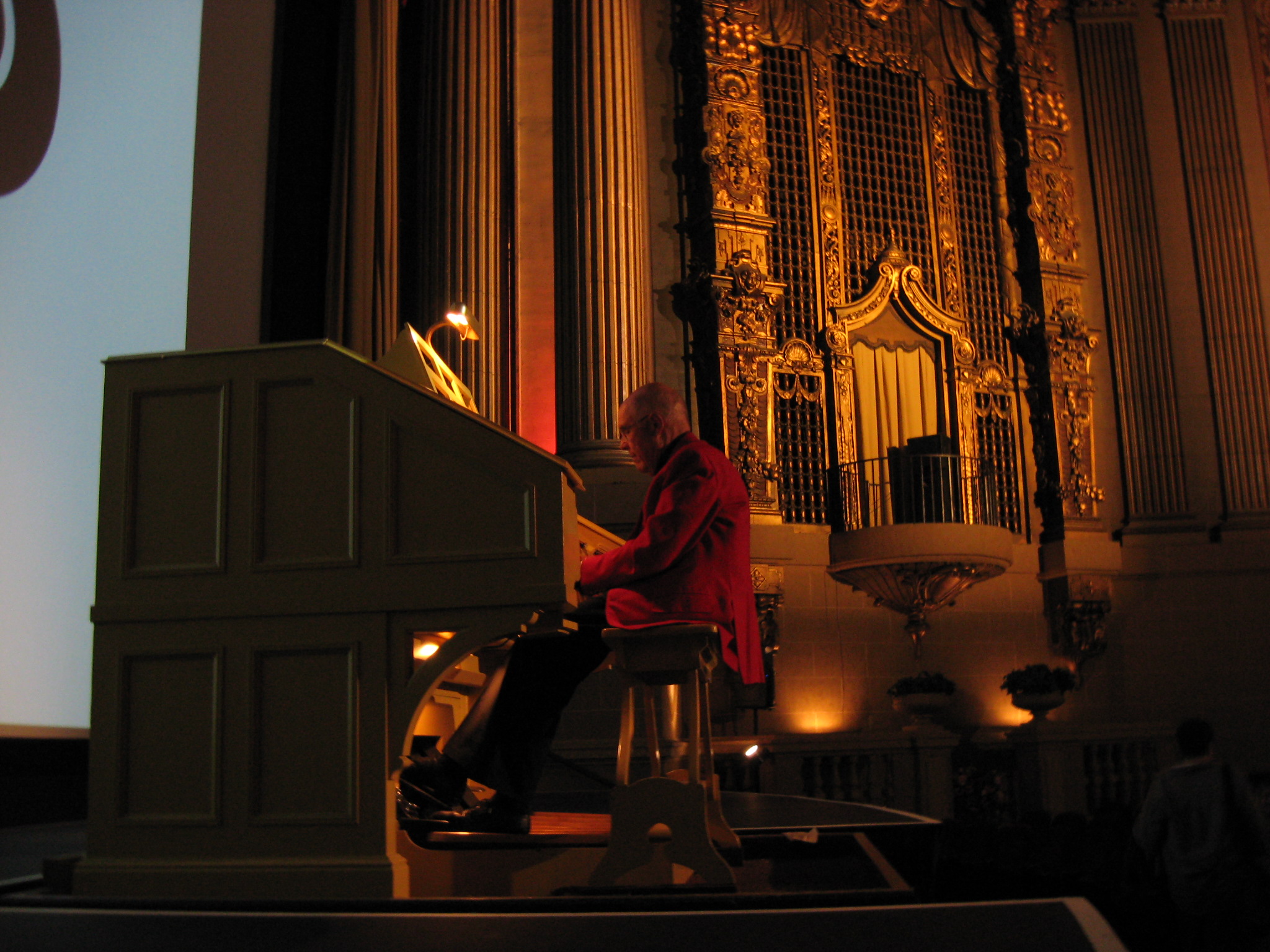
The Castro Theatre is a rare experience. A gorgeous Art Deco movie palace, built in 1922 to not only show films but to lure people out of their homes to bask in ornate beauty for the price of a ticket. Few of these movie palaces exist anymore, and even fewer with a full Wurlitzer Theater organ, complete with silent film sound effects. The organ rises out of the floor and is played at night before most screenings.

Movie Palace--private tour San Francisco

The Castro screens an eclectic variety of films: second run, indy, foreign, vintage. There are also sing-alongs where lyrics are projected on the screen. Sing-a-long “Grease” and “Moana” are recent offerings,and every year their is the sing-a-long “Sound of Music.”

Visiting a city is about experiencing what you can’t back home.  And I’m going to bet that your city doesn’t have a movie palace like the Castro. And if it does, go and compare our palace to yours.

Deco movie palace--private tour San Francisco

If you’re staying downtown, getting to the Castro Theater couldn’t be easier on MUNI. 3 lines, the M, L, K/T underground trains go to the Castro District, so you never have to wait more than a couple of minutes, and the Castro street station is just across the street from the theatre. Getting back downtown is equally quick and easy.

The Castro Theatre

Coit Tower-a gift of public space.

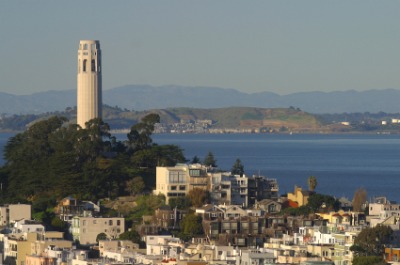
One of the reasons I love Coit Tower is that its purpose is public space. It doesn’t have what is generally considered a practical purpose, such as a conduit for commerce or a city building for storage or business.  It was built with seed money from Lily Coit who left a third of her estate to San Francisco “to be expended in an appropriate manner for the purpose of adding to the beauty of the city which I have always loved.”  Coit Tower has much to offer the visitor. Coit Tower as seen up close on a private tour of San FranciscoFrom the parking lot, there are views of the Golden Gate Bridge, Russian Hill, and Alcartaz. Inside the tower are murals from the 1930’s PWA project. Custom private tour of coit tower library mural
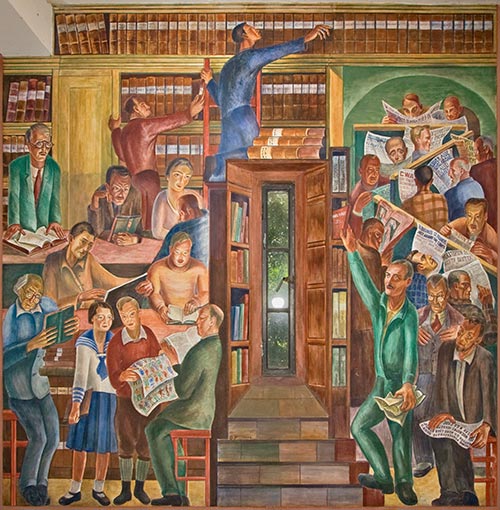
Here’s an insider tip: if you need a bathroom, there are art deco toilets inside don’t stand in line at the toiler kiosk outside. All are free.

A $7 elevator ride takes you 15 stories above the city. Coit Tower view from the top on the custom private tour of San Francisco

The line to get up to the top can be long and daunting, especially during holidays, summer, and weekends. Either go early or later in the day to avoid what can be a 45 minute wait. Getting down from the top can be difficult as well, as the elevator only holds 7 people.

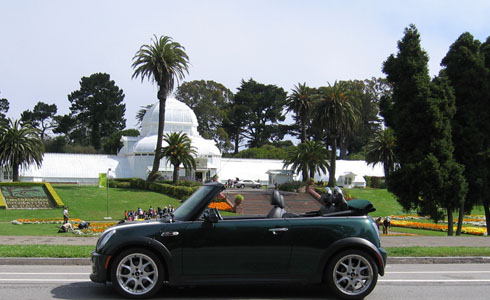
If you don’t get out and go inside while on your private tour in the convertible MINI Cooper,  you should make it part of your day when you visit North Beach. After coffee in the the morning, take one of the many staircases on the Western (North Beach) side up to the tower. Then take another staircase back down to North Beach for lunch and a glass of wine.

To see more murals, across the city, with a view of the Pacific Ocean is the Beach Chalet.

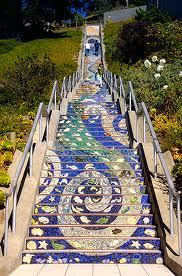
The 16th Ave tiled steps — beautiful views, beautiful mosaic, and off the usual tourist path

Since January of 2003, neighborhood volunteers and artists have transformed a drab western hillside staircase into a beautiful and inspiring creation of public art. It was, and continues to be a community project, bringing over 300 people together to enhance this neighborhood. Each of the 163 steps are decorated with a tile mural. Though the city had little to do with the stairs, other than giving permission, a stipend, and staying out of the way, since they are on city property they are for the enjoyment of everybody.

But appreciating the beauty of the tiles is just part of the fun. Climb the stairs and there you get an amazing view of the Pacific Ocean few visitors experience.

Big Tour buses are not allowed in the neighborhood, and it is located just far enough away from Golden Gate Park that few people bother to make the trek to discover the 16th Ave. steps. But for the adventurous willing to walk the 10 blocks it is worth it, and will be one of those experiences to brag about back home. Of course, if you don’t want to walk, I can take you there on a custom private tour as well.

16th ave tiled steps as viewed from the MINI Cooper custom private tour of San Francisco

16th ave tiled steps view from the custom private tour of San Francisco in the MINI Cooper

Macondry Lane–one of 670 public staircases in San Fransico

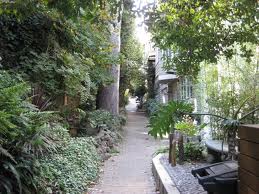
San Francisco has omacondry lanever 670 staircases that are public walkways.
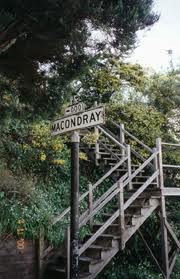
 

macondry lane 2

macondry lane 3

Some, like the imposing   Filbert Street steps, are obviously open to everyone. But there are many staircases that appear as if they are private, such as being part of an apartment building or a walkway leading up to a house. Thus these public treasures, which make San Francisco the special place it is, are passed up or unnoticed by visitors and locals.

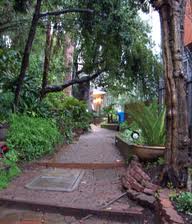
One of my favorite staircases is Macondry Lane. Tucked away on Russian Hill, it is a block long walkway with beautiful gardens and landscaping, and wonderful views of the Bay. Guests on Small Car Big Time Tours like to be dropped on at the Taylor St. stairs and get picked up on the other side at Jones.

This is a true San Francisco secret and not to be missed.

Storybook Houses of the Outer Sunset

The Outer Sunset is an area of San Francisco unknown to most visitors to the city. Even residents know little about it, other than it is boarded by the Pacific Ocean on the west, Golden Gate Park on the north, and is usually considered as being the blandest neighborhood in the city.

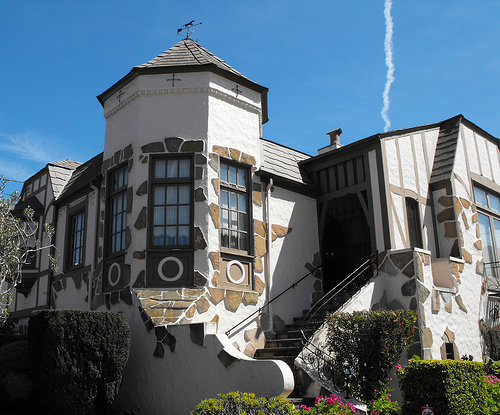
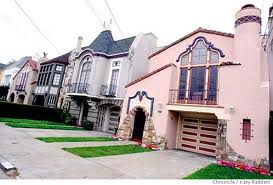
rousseau #1However bland most of the Sunset is, with rows and rows of look alike houses, there are gems. These quirky homes have a variety of fanciful facades, such as a Tudor, a Spanish style, and Parisian Art Nouveau.

These are the inspired idea of architect and developer Oliver Rousseau. In the early 1930, he wanted to build homes for working class people that had a touch of whimsey and elegance. His ideas and designed were later copied by others.

The largest cluster of these storybook homes is along 33rd to 36th avenues between Kirkham and Lawton streets. If you’re in San Francisco and love architecture, you should make a point to venture out see an area that even most residents of the city are unfamiliar with. Big  tour buses can’t take you there. But Small Car Big Time Tours can.

rousseau #2

1 Kearny: A rooftop oasis, if you know how to find it

There are many POPOS (Privately Owned Publicly Occupied Space) in San Francisco. They include open plazas, indoor areas with tales and chairs, and, everyone’s favorite, rooftop gardens with great views.1kearny_6


This is the view from 1 Kearny, a beautiful, and perhaps the least known rooftop POPO. It’s a bit of a chore finding it, but well worth the effort. Though the address is 1 Kearny, enter through the lobby on Geary St. Tell the security guard you want to go to the rooftop garden. Inside the elevator is the only sign that lets you know there is a POPO in the building. Go to the 11th floor. Chances are, you will have these great views all to yourself.

1kearny_7-thumb-76x76-704084If you are interested in discovering more POPOS, go the the SPUR website

http://www.spur.org/publications/library/report/secretsofsanfrancisco_010109

You can download a map, and get the APP, showing where all the POPOS in San Francisco are.
These are your spaces. Discover and enjoy them.


The Best Free View in Golden Gate park

Here’s a secret few people know about: the observation deck in tower of the De Young museum (in Golden Gate Park) is free, and open to the public during museum hours. Just tell museum staff you want to go into the tower, and they will direct you to the elevators, which take you up nine stories to the 360 degree glass enclosed observation deck. There are amazing views of the park, the Golden Gate Bridge, and western side of San Francisco—all without an admission fee.